Gahee:
Quiet Temptation
A studio portrait built around calm intensity, precise styling and a form of presence that never needs to announce itself loudly.
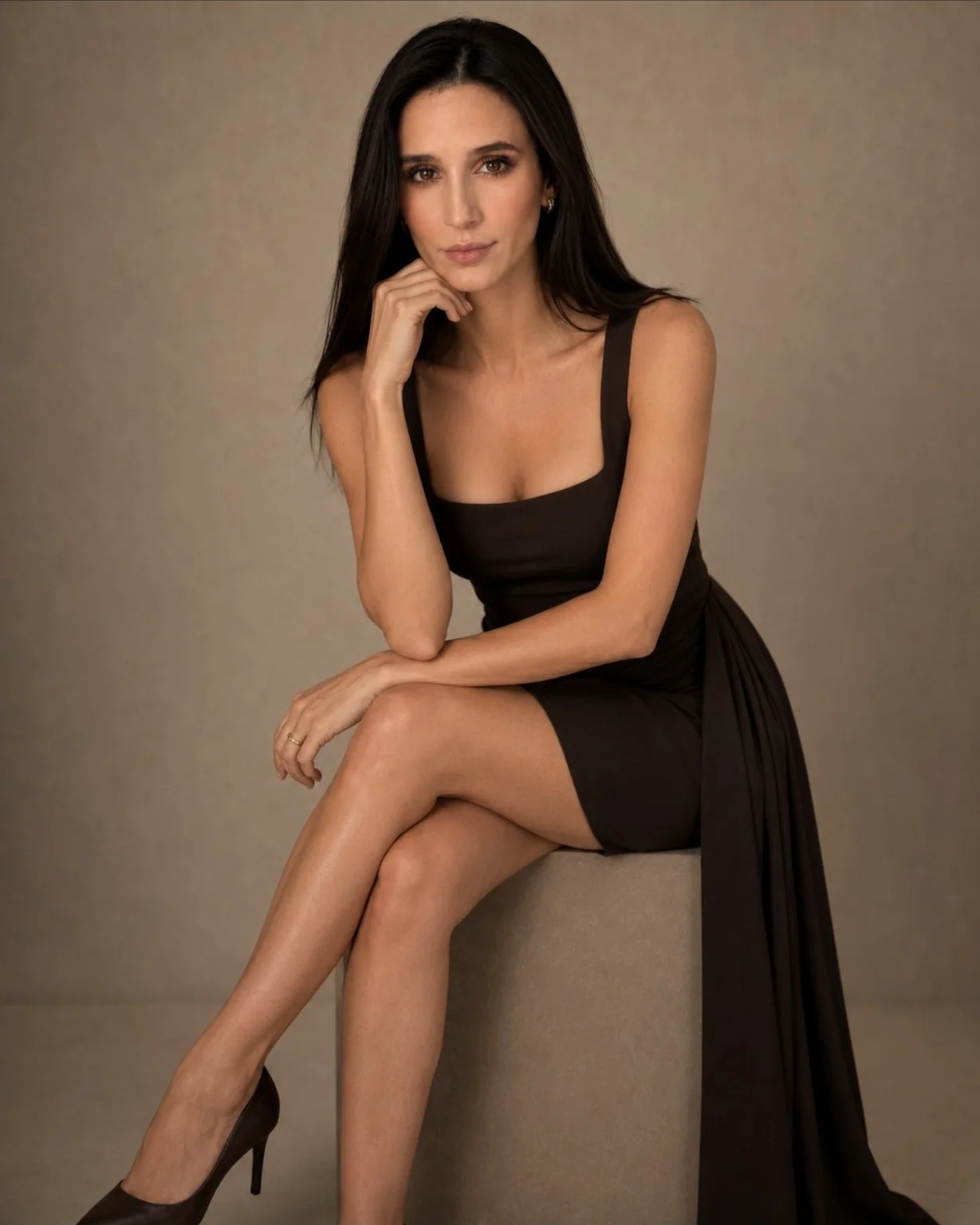
Some images do not need movement or spectacle to hold attention. With Quiet Temptation, the focus stays on control: controlled styling, controlled light and a controlled emotional register that allows presence to do the work.
This portrait of Gahee is not constructed around performance in the dramatic sense. Instead, it draws its strength from restraint. The image stays close to the face, the posture remains composed, and the atmosphere is shaped through subtle confidence rather than obvious display.
What makes the image work is not excess, but clarity. Gahee holds the frame with a calm, self-possessed energy that feels direct without becoming aggressive. The portrait invites attention, but never chases it.
There is a deliberate tension between softness and structure: softness in the expression and skin tone, structure in the styling and pose. That balance gives the portrait its quiet pull.
The visual language remains clean and refined. A minimal palette, controlled studio light and sculpted composition allow the portrait to stay elegant while preserving intimacy. Nothing is overloaded. The styling supports the subject rather than competing with her. The image lives in precision: the line of the shoulders, the stillness of the hand, and the calm placement of light across the face. These choices keep the portrait poised and unmistakably intentional.
At the centre of the frame is a presence that feels composed, adult and assured. Rather than leaning on overt glamour, the portrait builds around recognition — the kind that comes from presence, not from visual noise. This is part of what defines Gahee’s image within H:FRAME: a femininity that can be elegant, magnetic and quietly strong at the same time. The portrait does not try to transform her into a type. It allows her own presence to remain legible.
Quiet Temptation is ultimately a study in moderation. It shows how a portrait can remain memorable not by doing more, but by removing distraction and letting nuance carry the image. The final result is intimate without fragility, polished without distance and quietly expressive without losing control. It is a portrait that holds attention through stillness — and trusts that stillness to be enough.
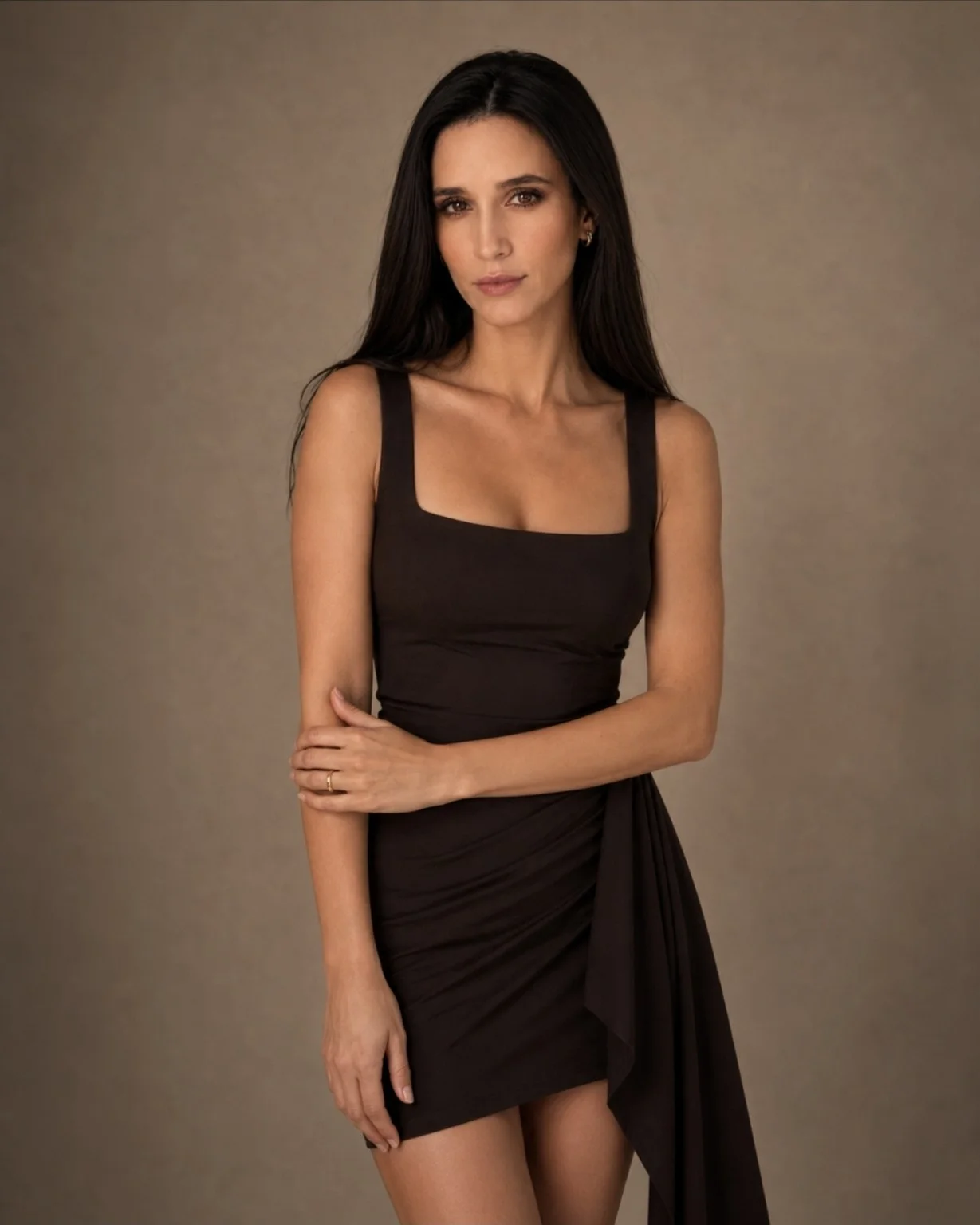
Some portraits speak through scale. Others stay with you through restraint. Quiet Temptation belongs to the second kind.